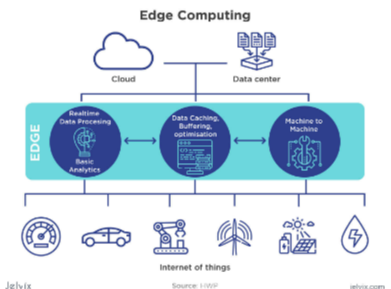
Edge devices represent a pivotal shift in data processing by collecting and analyzing information locally. This localized approach significantly reduces latency and bandwidth requirements. By leveraging sensors and algorithms, these devices facilitate real-time decision-making and enhance operational efficiency. As industries increasingly adopt edge computing, the implications for data control and responsiveness in dynamic environments warrant further exploration. What specific advantages do these devices offer across various sectors?
Understanding How Edge Devices Collect Data Locally
While traditional data processing often relies on centralized systems, edge devices have emerged as critical components in collecting and processing data locally.
These devices facilitate data acquisition by utilizing sensors and algorithms for immediate local analysis. This approach minimizes latency and bandwidth use, enabling more efficient decision-making.
Consequently, edge devices empower users with greater control over their data, fostering a sense of autonomy in data management.
What Are the Benefits of Edge Devices for Businesses?
Numerous businesses are increasingly recognizing the substantial benefits that edge devices offer in enhancing operational efficiency and decision-making processes.
By processing data locally, these devices facilitate real-time insights, leading to improved efficiency and reduced latency.
Furthermore, the minimized need for extensive data transmission results in significant cost savings, making edge computing a strategic investment for organizations aiming to optimize their operational frameworks.
Why Real-Time Processing Matters for Edge Computing
Real-time processing is a fundamental aspect of edge computing, significantly influencing how data is managed and utilized across various industries.
This capability enables latency reduction, allowing immediate data analysis and decision-making at the source.
Furthermore, it facilitates bandwidth optimization by minimizing the amount of data transmitted to centralized servers, thereby enhancing overall system efficiency and responsiveness in dynamic environments that demand timely information.
Real-World Applications of Edge Devices Across Industries
As industries increasingly embrace digital transformation, edge devices play a pivotal role in enhancing operational efficiency and decision-making.
In smart agriculture, these devices facilitate real-time monitoring of soil conditions and crop health, optimizing resource usage.
Similarly, in healthcare monitoring, edge devices enable continuous patient data analysis, ensuring timely interventions and improved outcomes.
Such applications exemplify the transformative potential of edge computing across diverse sectors.
Conclusion
In conclusion, edge devices represent a transformative advancement in data processing, offering localized analytics that enhance operational efficiency and decision-making speed. While some may argue that centralized systems provide superior data integration, the advantages of reduced latency and bandwidth consumption in edge computing cannot be overlooked. By facilitating real-time insights across diverse sectors, these devices empower organizations to adapt swiftly to changing conditions, ultimately driving innovation and improving outcomes in an increasingly data-driven world.