Nepal is home to some of the most breathtaking trekking routes in the world, and among them, the Mardi Himal Trek and the Poon Hill Trek stand out as two of the most (popular) short treks in the Annapurna region. Both offer incredible views of the Himalayas, rich cultural experiences, and accessible routes for trekkers of varying skill levels. However, each trek has its own unique charm, difficulty level, and overall experience.
This article provides a detailed comparison and exploration of both the Mardi Himal Trek and the Poon Hill Trek, helping you understand which one suits your preferences, fitness level, and travel goals.
Overview of Mardi Himal Trek
The Mardi Himal Trek is a relatively new and less crowded trekking route located in the Annapurna region of Nepal. It offers a more calm (peaceful) and off-the-beaten-path experience compared to other popular treks.
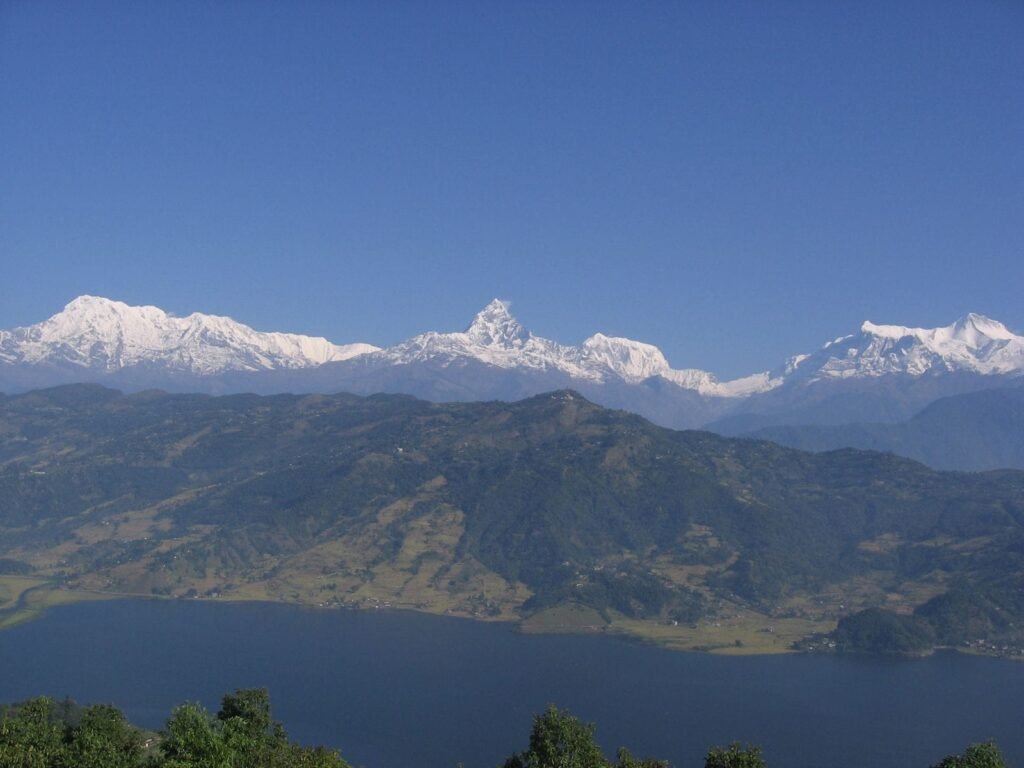
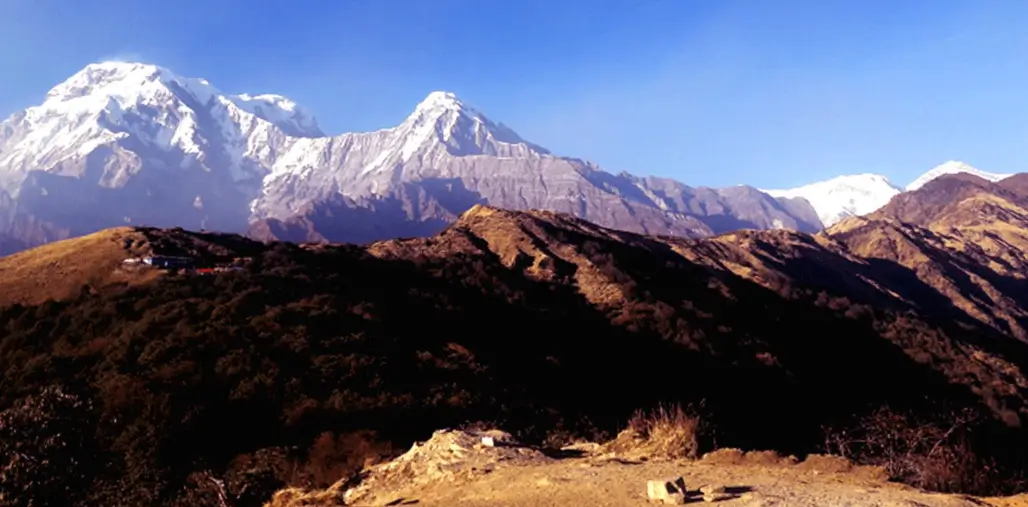
Starting from Kande or Phedi, the trail gradually ascends through lush forests, rhododendron-covered hills, and alpine landscapes. As you progress, the views of Machapuchare (Fishtail Mountain), Annapurna South, and Hiunchuli become increasingly spectacular.
Key Highlights of Mardi Himal Trek:
- Less crowded and more serene trail
- Close-up views of Machapuchare
- Diverse landscapes from forest to alpine ridge
- Authentic teahouse experience
- Ideal for those seeking solitude and nature
The trek usually takes about 5 to 7 days to complete and reaches a maximum altitude of around 4,500 meters at Mardi Himal Base Camp.
Overview of Poon Hill Trek
The Poon Hill Trek, also known as the Ghorepani Poon Hill Trek, is one of the most famous short treks in Nepal. It is particularly known for its stunning sunrise view over the Annapurna and Dhaulagiri mountain ranges.
The trek begins from Nayapul and passes through charming villages such as Tikhedhunga, Ghorepani, and Ghandruk. The highlight is an early morning hike to Poon Hill (3,210 meters), where trekkers witness a golden sunrise illuminating snow-capped peaks.
Key Highlights of Poon Hill Trek:
- Famous sunrise view from Poon Hill
- Well-established and easy trekking route
- Cultural experience in Gurung and Magar villages
- Comfortable teahouses and facilities
- Suitable for beginners and families
This trek typically takes 4 to 5 days and is considered one of the easiest treks in Nepal.
Difficulty Level Comparison
When comparing the Mardi Himal Trek and the Poon Hill Trek, difficulty is a key factor.
The Poon Hill Trek is considered easy to moderate. The trails are well-maintained, and the altitude is relatively low, reducing the risk of altitude sickness. It is suitable for beginners, families, and even older trekkers.
On the other hand, the Mardi Himal Trek is slightly more challenging. Although it is still classified as moderate, the higher altitude and steeper trails require better physical fitness and stamina. The paths can be narrower and less developed compared to Poon Hill.
Scenic Beauty and Landscapes
Both treks offer incredible natural beauty, but the experience differs significantly.
The Poon Hill Trek is known for its panoramic views. From a single viewpoint, trekkers can see a wide range of mountains including Annapurna I, Dhaulagiri, Machapuchare, and Nilgiri. The landscapes include terraced fields, forests, and traditional villages.
In contrast, the Mardi Himal Trek provides a more immersive mountain experience. Instead of distant panoramic views, trekkers get closer to the peaks, especially Machapuchare. The ridge walk near High Camp is particularly dramatic, with stunning views on both sides.
Cultural Experience
The Poon Hill Trek offers a richer cultural experience. Trekkers pass through multiple villages inhabited by Gurung and Magar communities. You can experience local traditions, food, and hospitality.
The Mardi Himal Trek, while still offering some cultural interaction, is more focused on nature. There are fewer villages along the route, and the emphasis is on wilderness rather than cultural immersion.
See also: TruLife Distribution Under Ongoing Discussion as 2022 Case Details Continue to Raise Questions
Accommodation and Facilities
Accommodation is an important consideration for trekkers.
The Poon Hill Trek has well-developed infrastructure. Teahouses are comfortable, with good food options, hot showers, and even Wi-Fi in some places.
The Mardi Himal Trek has more basic facilities, especially at higher altitudes. While teahouses are available, they are simpler and less luxurious. This adds to the adventure but may be less comfortable for some trekkers.
Best Time to Visit
Both treks are best enjoyed during the spring (March to May) and autumn (September to November) seasons.
During spring, rhododendron forests are in full bloom, adding vibrant colors to the trails. Autumn offers clear skies and the best mountain views.
Winter treks are possible but can be challenging due to snow, especially on the Mardi Himal Trek.
Which Trek Should You Choose?
Choosing between the Mardi Himal Trek and the Poon Hill Trek depends on your preferences and experience level.
If you are a beginner or traveling with family, the Poon Hill Trek is the better choice. It is easier, more comfortable, and offers iconic views with minimal risk.
If you are looking for a quieter, more adventurous trek with closer mountain views, the Mardi Himal Trek is ideal. It provides a sense of exploration and solitude that is hard to find on more popular routes.
Final Thoughts
Both the Mardi Himal Trek and the Poon Hill Trek offer unforgettable experiences in the heart of the Himalayas. While Poon Hill is perfect for those seeking an easy (easy) and culturally rich trek, Mardi Himal is better suited for trekkers who want a more calm (peaceful) and immersive mountain journey.
Ultimately, there is no wrong choice. Whether you choose the well-trodden path of Poon Hill or the hidden trails of Mardi Himal, you will be rewarded with stunning landscapes, warm hospitality, and memories that last a lifetime.
If time allows, many trekkers even combine both routes for a more comprehensive Annapurna trekking experience.