Entertainment technology has undergone significant evolution, fundamentally altering cultural dynamics. The rise of streaming services and social media platforms has transformed how audiences engage with content and with each other. This shift raises important questions about identity, community, and the influence of digital narratives on societal values. As technology continues to advance, the implications for cultural trends and collective identities warrant closer examination. What might this mean for the future of cultural expression?
How Entertainment Technology Has Evolved and Influenced Culture
As entertainment technology has advanced, it has profoundly reshaped cultural norms and societal values.
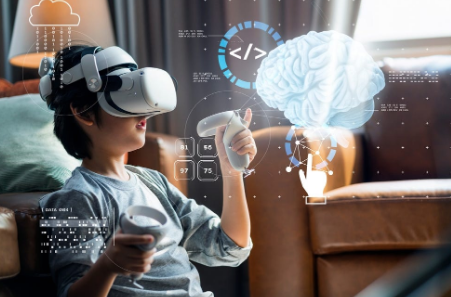
Virtual reality and interactive storytelling serve as prime examples of this evolution, immersing audiences in experiences that transcend traditional narratives. By fostering deeper emotional connections, these technologies challenge passive consumption, encouraging individual agency and self-expression.
Consequently, they redefine the meaning of engagement, empowering users to craft their own unique stories within a shared cultural landscape.
Streaming Services and Entertainment Technology’s Impact on Viewing Habits
The rise of streaming services has fundamentally altered viewing habits, reflecting a shift in how audiences consume content.
Binge-watching habits have become commonplace, as users embrace the freedom to engage with personalized content at their own pace.
This transformation not only enhances individual viewing experiences but also reshapes cultural narratives, ultimately fostering a more diverse and accessible entertainment landscape that caters to varied preferences.
How Social Media Shapes Public Opinion and Cultural Trends?
How does social media influence the formation of public opinion and the evolution of cultural trends? Through digital discourse, social media platforms catalyze the rapid exchange of ideas, shaping perceptions and attitudes.
Influencer impact plays a crucial role, as individuals and online communities amplify voices that resonate with broader audiences. Consequently, social media serves as a dynamic landscape where cultural trends emerge, evolve, and reflect collective sentiments.
Read Also: Home
Gaming’s Role in Shaping Identity and Community
Navigating virtual worlds, gamers often find more than mere entertainment; they uncover pathways to identity formation and community building.
Through shared experiences and collaborative gameplay, individuals forge connections that transcend geographical boundaries. This engagement fosters a sense of belonging and empowers players to explore diverse identities, ultimately reshaping cultural narratives and reinforcing the importance of community within the rapidly evolving landscape of digital interaction.
Conclusion
In conclusion, entertainment technology is a powerful catalyst for cultural transformation, reshaping individual identities and societal norms. For instance, the rise of platforms like Twitch exemplifies how gaming facilitates community building and personal expression, enabling users to connect over shared experiences and interests. Such platforms not only redefine entertainment consumption but also foster new forms of engagement that challenge traditional narratives, ultimately reflecting and influencing the evolving landscape of cultural values and collective identities in contemporary society.